


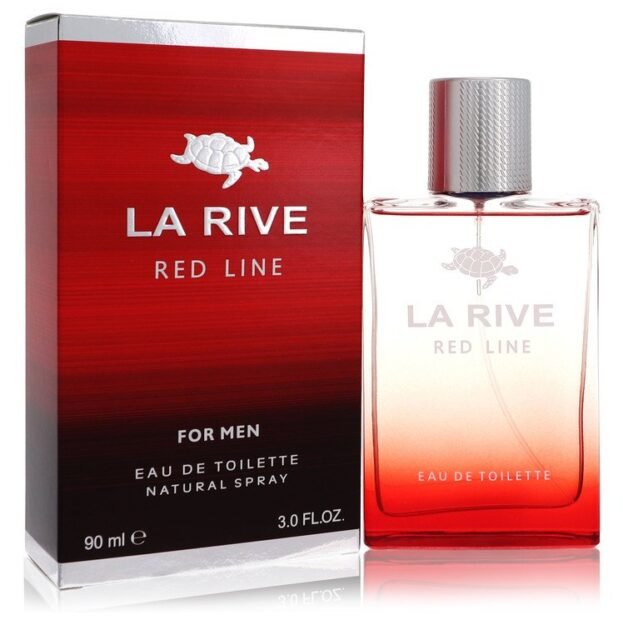
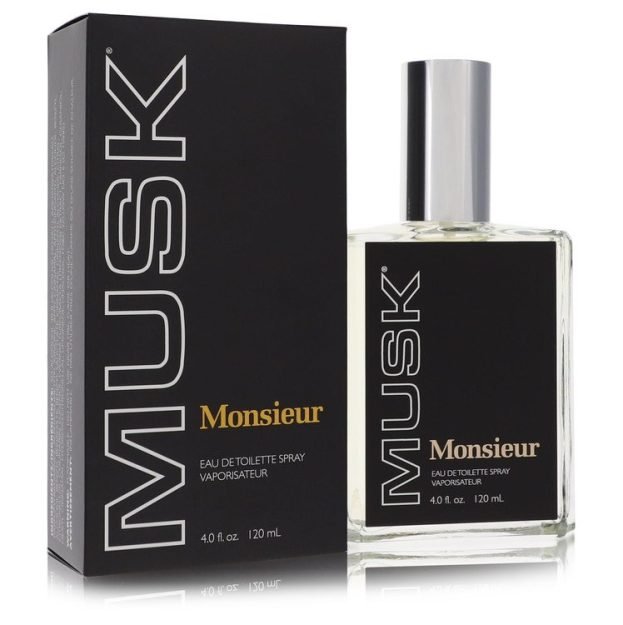
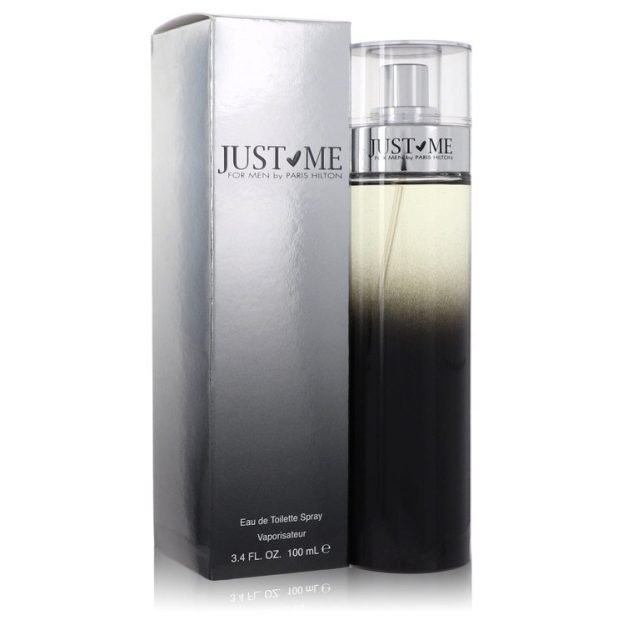


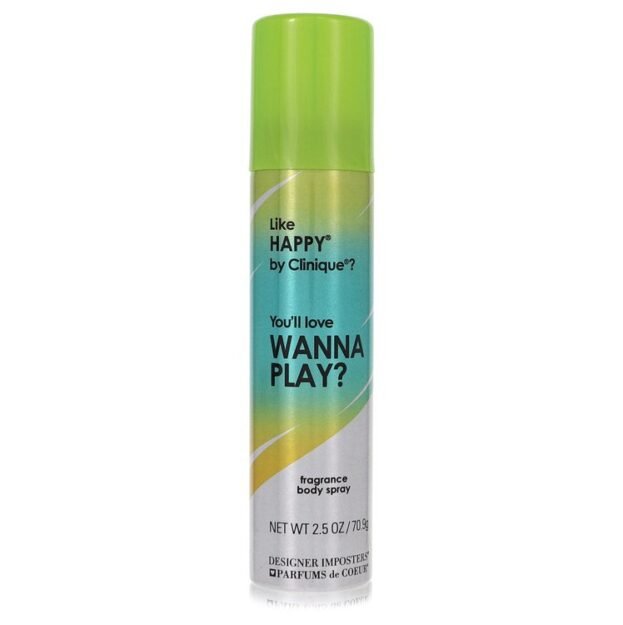
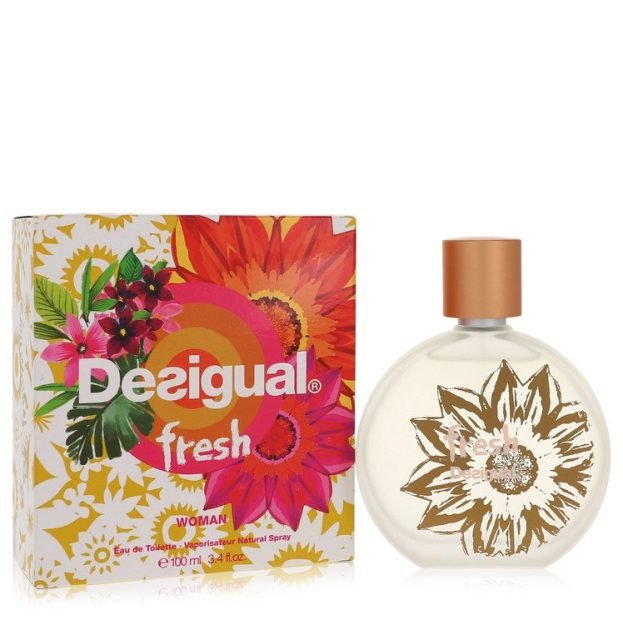
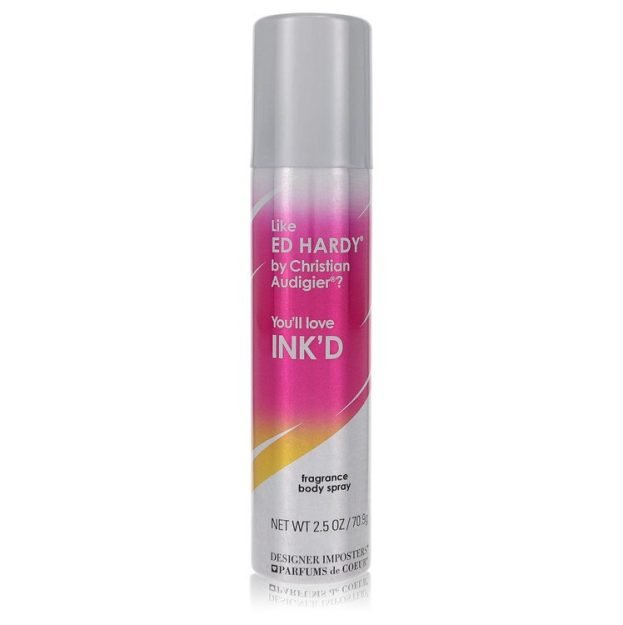


When thinking about the difference between Fragrance and Perfumes, what’s the first thing that comes to your mind? You might wonder for a while what the difference is? Your answer might be they are the same products. Well here’s the twist: they both are different. Yes you have read right they are different and you have been using them for years without knowing the difference. Well it’s not your fault many consumers think the same since they smell similar and come in almost similar packaging.
Industry giants usually mention body mist, perfume, fragrance, eau de parfum and cologne on their scented product labels and you often fail to identify these due to hurrying behaviour. As an aware customer it is significant to identify each product while purchasing. So, you can make informed decisions and use them according to your needs. It also saves your time and money and adds value to your bank account. Now it’s time to be aware of each fragrance and perfume and make conscious decisions while spending hard earned money.
Through this blog post, you’ll be aware about the major difference between fragrance and perfume in a clear, precise manner. So, when you are willing to buy these products you can opt for the right options according to need and desire. Here you will get to know about the major difference between fragrance and perfumes: their concentration levels, ingredients types, and usage.
What Is a Fragrance?
Fragrances and perfumes are unexpectedly different from each other. Despite their obvious similarities they have different functions along with craftsmanship. The term fragrance works as a comprehensive caption across the scent and beauty industry.
In other words fragrance refers to any mixture of aromatic ingredients that produces a calming nice smell. Basically, it refers to those products that have a pleasant redolence. This includes perfumes, colognes, body sprays, scented lotions, hair mists, room fresheners, and even some skincare or cleaning products.
Fragrances can be mild, potent, light and long-lasting. It often contains natural essential oils, artificial fragrance chemicals or both mixtures.
There are some products that can categorised under fragrance these include:
- Fragrance sprays
- Body mists
- Deodorants
- Aftershaves
- Hair perfumes
- Laundry scents
- Scented moisturizers
What is a Perfume?
Perfumes are typically made by blending essential oils, or aroma chemicals, water and alcohol. The real magic lies in their oil concentration which makes the product stand out in the market. Perfume usually contains 20 to 30% fragrance oil, this makes them trustable, richer, deeper, and more intense than other fragrance products. Because of the high concentration levels, perfume often remains 6 to 12 hours long on the skin and sometimes even longer on clothes or hair. .
Perfumes are ideal for:
- Special occasions
- Long workdays
- Events where you want the scent to stay noticeable
- People who love bold and long-lasting scents
Perfumes are usually placed at the luxury end of the fragrance market and are often more expensive than body mists or colognes and fragrance products.
Key Differences Between Fragrance and Perfume
Fragrance can be explained as any smell which is the basic distinction between it and perfume. whether it is pleasant or not. It is the phrase that characterizes how our noses actually detect smell. Here is a simple comparison of the key distinctions to make things easier.
Key Traits of Fragrance:
Versatility: Versatility is a key feature of fragrance you can find it in the numerous products such as candles, soaps, shampoos, lotions, perfumes, hair jells, colognes, cleaning supplies etc.
Different Concentrations: Fragrance products can differ greatly in concentration. Eau de toilette and eau de parfum are stronger than many body sprays and mists and usually used while preparing scents and fragrances.
Synthetic vs. Natural Fragrances: Fragrances could be prepared with natural essential oils or synthetic aromatic fusions. Due to concerns about cost and consistency a lot of well-known commercial fragrances are synthetic.
Regulation: The “fragrance” phrase labeled on the product can sometimes be blurry. In many nations regulations may permit fragrance companies to use the fragrance phrase without disclosing the specific ingredients that are used while production. As the formulation is often kept secret according to business rules.
Purpose: Fragrances are more used to enhance the sensory effect of a variety of products in addition to being used for personal spray. A lotion with a pleasant aroma for example can improve the user experience by making it more trustworthy and pleasurable.
Key Traits of Perfume:
Concentration: Perfumes have the strongest and longest-lasting scent because of their high concentration. These contains Fragrance oils up to 20 to 30 percent.
Longevity: According to many fragrance experts perfumes with high oil concentrations can last anywhere whether cloth or skin from 6 to 8 hours sometimes even longer periods. The ingredients and the wearer’s skin type may also affect longevity of the perfume. On the other hand moisturized skin tends to retain perfumes better.
Cost: Due to the high concentration of essential oils and the intricate procedures involved in their creation perfumes are typically more costly than fragrances.
Use: To provide a strong lingering effect just one perfume spray is needed. usually applied to pulse points where the warmth of the skin aids in the fragrances diffusion such as the neck wrists and behind the ears.
Composition: The intricate compositions of perfumes set them apart from other kinds of fragrances. It always contains both the base notes which are the lingering rich scents and the top middle or heart notes of the fragrance.
Different Perfume Forms Separated by their Intensity levels.
Even from perfume categories, there are several variations. These forms differ in intensity and longevity. Here are the details of various kinds of Perfumes Based on their Concentration levels:
1. Parfum (Extrait de Parfum) – featuring 20 to 30% concentration
- Longest lasting
- Rich and luxurious
- Highest price
2. Eau de Parfum (EDP) – Containing 15 to 20% concentration
- Very long-lasting
- Popular choice for everyday wear
3. Eau de Toilette (EDT) – Carrying 5 to 15% concentration
- Moderate strength
- More affordable
- Best for everyday wear
4. Eau de Cologne (EDC) – Containing 2 to 5% concentration
- Light and fresh
- Wears off quickly
- Usually marketed for men
5. Eau Fraîche – Featuring 1 to 3% concentration
- Very light
- More water than alcohol
- Perfect for sensitive skin
This classifications demonstrate how each perfume differ even among themselves and how the word fragrance encompasses them all.
Why do People often Mix up Fragrance and Perfume?
To make their products easier to market and increase sales various brands frequently use the term fragrance on their product labels. As a result many consumers remain unaware that perfume and fragrance are two different things, Therefore people often often mix them up.
But now you can understand the different between them, you’ll be able to read labels better and make smarter scent choices and there will be no confusion if you pay attention.
Final Thoughts
The major difference between fragrance and perfume lies in their concentration. These are mainly Eau Toilette and Eau De parfum. Typically used to make perfumes and fragrances. We hope after reading this blog you can clearly differentiate between these two. Identifying this difference between perfume and fragrance enables you to pick the appropriate scent according to your fashion sense, desire and financial constraints. We hope this complete guide will help you to make confident and informed decisions, while purchasing fragrance and perfume products, next time in the fragrance stores.


