


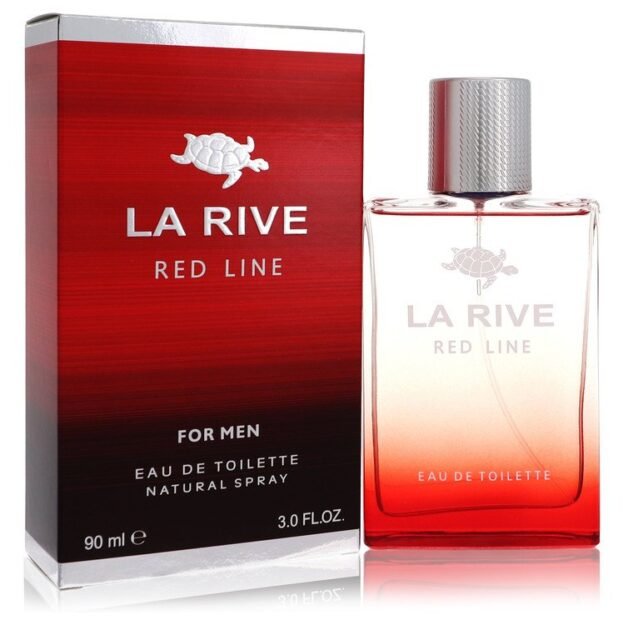
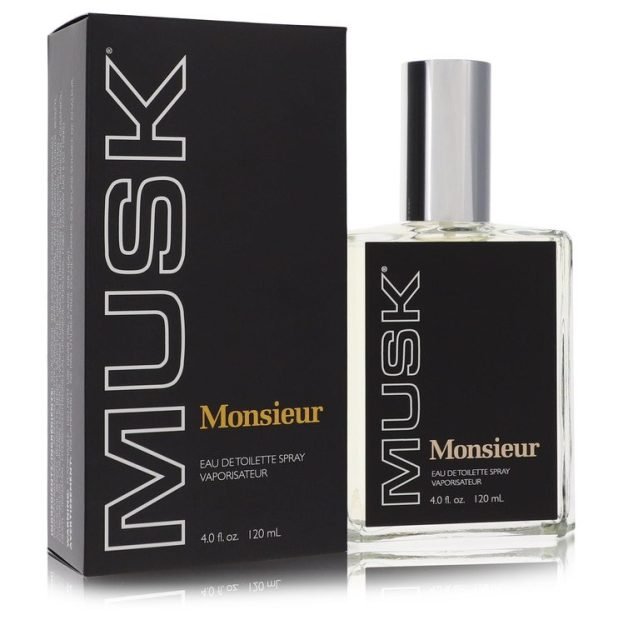
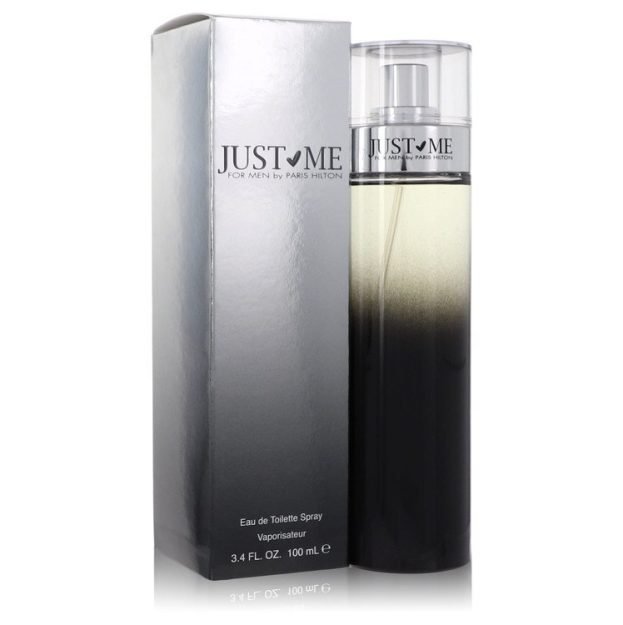


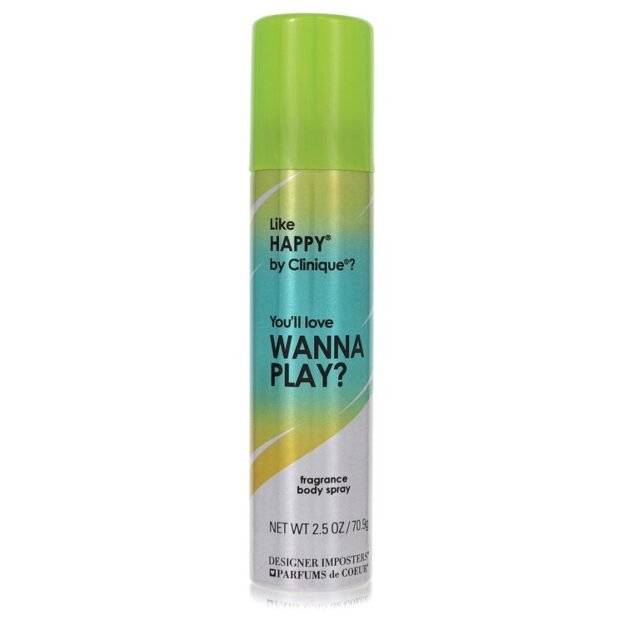

What your perfume says about your personality depends on three things: which scent family you choose, how you wear it and why you reached for it in the first place. A floral lover may come across as warm and romantic, a woody wearer as grounded and composed, a citrus fan as bright and energetic. But those readings are tendencies, not verdicts, and the most interesting part is often the gap between the scent and the person wearing it.
Scent is the most invisible part of an outfit. People cannot photograph it, yet they remember it long after the clothes are forgotten. That is why fragrance feels so personal, and why a casual question such as “what perfume are you wearing?” can open a surprisingly honest conversation.
This guide is organised as a decoder rather than a ranking. It starts with what research can and cannot tell us, then walks through three lenses: the what (scent family), the how (the way you apply and rotate perfume) and the why (memory, mood and aspiration). You will also find a short self-check, a quick-reference table and advice on managing the impression you make.
Quick answer: floral perfumes are commonly read as romantic and warm, citrus as lively and open, woody as calm and self-assured, vanilla and gourmand as comforting and playful, spicy and amber as confident and sensual, and musky skin scents as understated and intimate. Treat these as friendly stereotypes, not scientific facts.
In This Guide
- What science says (and does not say)
- Lens one: what you wear
- Lens two: how you wear it
- Lens three: why you chose it
- Quick decoder table
- A five-question self-check
- Managing the impression you make
- When scent stereotypes go wrong
- Scent, relationships and first impressions
- Frequently asked questions
What Science Says (and Does Not Say)
Smell is wired differently from sight or hearing. Odour signals travel from the nose to the olfactory bulb, which has direct links to parts of the brain involved in emotion and memory. That anatomy helps explain why a single whiff can bring back a grandmother’s kitchen or a school summer, and our explainer on how perfumes trigger nostalgic memories explores the idea in depth. You can also read about how the nose smells perfume and the field of aromachology.
What research does not offer is a reliable lookup table that converts a perfume into a personality trait. Studies on scent preference and personality exist, but they tend to be small, cultural and inconsistent. Fragrance companies, magazines and psychologists have all published their own charts, and they rarely agree. Many of the associations you will read below are cultural shorthand shaped by marketing, history and shared experience. A rose can be romantic in one culture and funereal in another, and a leather scent can feel rugged to one person and elegant to the next.
So the useful question is not “what does my perfume reveal?” but “what do I want it to say?” People often use scent deliberately: as armour before a tough meeting, as a mood lifter on a grey day, or as a link to someone they love. For a broader view of why scent matters at all, see why perfume is important.
Lens One: What You Wear
The scent family is the most visible clue, because it is the first thing people notice. Here is how ten popular families are commonly read, along with a gentle “flip side” for each, since every strength has a shadow.
Floral: the romantic
Common reading: warm, affectionate, expressive and attuned to feelings. Floral wearers are often described as people who remember birthdays and send handwritten notes.
Flip side: can seem sentimental or conventional, though that is only true if you let the stereotype win.
Perfumes to explore: Chloé Eau de Parfum, Marc Jacobs Daisy. For deeper dives, read best floral perfumes, best rose fragrances and best jasmine perfumes.
Citrus and fresh: the optimist
Common reading: upbeat, practical, open and energetic, someone who is always on the go and treats clean air as a personality trait.
Flip side: can appear restless or hard to pin down.
Perfumes to explore: Dolce & Gabbana Light Blue, Jo Malone Lime Basil & Mandarin. See citrus perfumes for her and best lemon perfumes.
Woody: the grounded one
Common reading: calm, thoughtful, self-assured and quietly stylish. Woody wearers tend to appear steady, the person who stays composed when others panic.
Flip side: may look reserved or hard to read.
Perfumes to explore: Diptyque Tam Dao, Le Labo Santal 33. Our guides to woody perfumes for women, sandalwood perfumes and cedarwood perfumes show the range.
Vanilla and gourmand: the comforter
Common reading: affectionate, nostalgic, playful and generous. People often say vanilla wearers feel like the friend who always has snacks.
Flip side: stereotyped as “simple” even though many vanilla perfumes are complex.
Perfumes to explore: Lancôme La Vie Est Belle, Ariana Grande Cloud. Read best vanilla perfumes and what is a gourmand fragrance.
Amber and spice: the magnetic
Common reading: confident, sensual, charismatic and a little mysterious. These wearers often seem comfortable being the centre of attention.
Flip side: can come across as intense, particularly in small rooms.
Perfumes to explore: Guerlain Shalimar, Maison Francis Kurkdjian Baccarat Rouge 540. See best amber perfumes and spicy perfumes.
Musk and skin scents: the minimalist
Common reading: understated, intimate, confident without needing to prove it. Their perfume says, “I smell like me, only better.”
Flip side: may be mistaken for wearing nothing at all.
Perfumes to explore: Byredo Blanche, Glossier You. Explore musk perfumes for women and white musk uses.
Green and herbal: the nature lover
Common reading: independent, earthy, calm and happiest outdoors. Green-scent fans often prefer weekends in a garden to nights in a club.
Flip side: sometimes seen as aloof.
Perfumes to explore: Diptyque Philosykos, Gucci Mémoire d’une Odeur. See cottagecore perfumes and best herbal fragrances.
Aquatic and marine: the free spirit
Common reading: adaptable, easy-going, adventurous and drawn to open space. The sea-breeze wearer is often the one planning the next trip.
Flip side: can seem noncommittal.
Perfumes to explore: see best aquatic perfumes and best marine fragrances.
Leather and smoke: the rebel
Common reading: bold, independent, unconventional and unbothered by approval.
Flip side: may be misjudged as aloof or intimidating.
Perfumes to explore: Tom Ford Fucking Fabulous, Maison Margiela Replica Jazz Club. See best leather fragrances and best tobacco fragrances.
Powdery and classic: the traditionalist
Common reading: elegant, refined, loyal and appreciative of heritage. Powdery wearers often cherish well-made, lasting things.
Flip side: may be labelled old-fashioned, though a classic is simply a classic.
Perfumes to explore: Chanel No. 5, Estée Lauder Beautiful. Read powdery perfumes and what perfume Grace Kelly wore for inspiration.
Lens Two: How You Wear It
Two people can wear the exact same perfume and send different signals. The way you use scent adds a second layer of meaning, and some of these habits reveal more than the fragrance itself.
Signature scent or fragrance wardrobe?
A signature scent wearer sticks with one perfume for years. People tend to read this as loyal, consistent and sure of their taste, and friends may associate the scent with them forever. A fragrance wardrobe owner, who rotates several bottles by mood, season and occasion, tends to read as curious, adaptable and expressive. Neither is better. If you wonder how many bottles are reasonable, our overview of best perfumes for everyday wear offers a balanced approach.
How many sprays?
- One light spray: discreet and considerate, perhaps a little private.
- Two to three sprays: balanced and comfortable, the typical sweet spot.
- A generous cloud: outgoing, theatrical and happy to be noticed, though it risks overwhelming others. See how to wear perfume subtly if you want to dial it down.
Concentration and style
Choosing an eau de parfum over a light cologne is sometimes a signal that you want presence and longevity, while preferring an eau de toilette or body mist often suggests a lighter, more casual approach. Our guides to eau de toilette vs eau de parfum and perfume vs mist explain the differences in strength.
Where you spray
Spraying behind the ears, on the wrists and on the neck is classic, while spraying hair or clothing is more playful. Some people mist the air and step through it, which suggests an easy, nonchalant attitude. If you are unsure, where to spray perfume covers all the spots and what each one does.
Do you reapply?
Someone who carries a small bottle or rollerball and refreshes during the day tends to enjoy scent as a ritual. People who apply once in the morning and forget often treat perfume as part of getting dressed rather than an event. If you want a portable option, browse rollerball perfumes and travel size perfumes.
Lens Three: Why You Chose It
The deepest layer is motivation. The same bottle can be bought for very different reasons, and those reasons are often the most personal part of the story.
Memory
Some people choose a scent because it reminds them of a person or a place: a mother’s powder, a grandfather’s aftershave, a summer by the sea. These wearers are often sentimental and loyal, using fragrance as a time machine.
Aspiration
Others choose a perfume for who they want to be. A shy student might wear a bold amber to feel braver, or a busy parent might pick a polished floral to feel put-together. Researchers and fragrance writers sometimes call this the “armour” use of scent. It is a legitimate and useful one, and it shows how perfume works as a confidence tool.
Mood
Some wearers pick fragrance to shift how they feel. Citrus can feel energising, lavender calming, vanilla comforting. While scientific evidence on aromatherapy is mixed, many people genuinely enjoy these effects, and mood-led wearing is a very human habit.
Identity and belonging
Perfumes can also signal membership in a tribe, whether that is a fashion aesthetic, a subculture or a social circle. Trend scents spread like slang. If that sounds like you, you might enjoy the aesthetic guides for coquette and mob wife perfumes.
The gifted scent
Finally, many people wear a perfume because someone gave it to them. Here the scent says more about relationships than personality. If you are giving a perfume, take a look at best perfumes for a birthday gift and our idea board for moms.
Quick Decoder Table
| If you wear… | People may read you as… | You might be using it to… | Try next |
|---|---|---|---|
| Florals | Warm, romantic | Feel soft and expressive | Rose or jasmine perfumes |
| Citrus and fresh | Energetic, open | Feel awake and clean | Light colognes |
| Woods | Grounded, composed | Feel calm and centred | Sandalwood or cedar perfumes |
| Vanilla and gourmand | Comforting, playful | Feel safe and cosy | Praline or tonka blends |
| Amber and spice | Magnetic, bold | Feel confident and sensual | Amber or oriental perfumes |
| Musk | Subtle, intimate | Feel like your best self | Skin scents |
| Green and herbal | Natural, independent | Feel relaxed | Fig, tea, chamomile |
| Leather and smoke | Rebellious, assured | Feel unbothered | Tobacco or leather blends |
A Five-Question Self-Check
Use these questions to find your own scent story. Write the answers down if you like; patterns tend to appear quickly.
- Which perfume do you reach for when you feel most like yourself? That is your honest signature.
- Which one do you wear when you need courage? That is your armour scent.
- Which fragrance reminds you of a person? That is your memory scent.
- Which scent do you buy for others but not for yourself? That is the one you secretly want to try.
- Which perfume would you wear if nobody could judge? That is your freedom scent.
If your five answers are all in the same family, you have a clear scent identity. If they are spread out, you probably have a flexible, curious nose, and a fragrance wardrobe will suit you. Need help with structured matches? Compare your answers with our MBTI perfume guide, the star-sign approach in zodiac perfume or the month-by-month approach in birth flower perfumes.
Managing the Impression You Make
If you care about the impression your fragrance gives, a few practical principles help.
Read the room
Scent interacts with environment. A heavy oriental that works at a dinner can feel intense in a meeting. Our article on office fragrances and the advice for date night perfumes illustrate how setting changes the best choice.
Respect sensitivities
Some people have headaches or allergies triggered by fragrance. If you share spaces with others, consider a lighter application and read why perfume gives me a headache and perfume for sensitive noses. Being considerate is part of the personality your scent communicates.
Beware nose blindness
After a while, you stop smelling your own perfume. This adaptation is normal and is the reason many people over-spray. A good rule is to apply, wait, and trust a friend or the clock rather than your nose.
Culture and context
Fragrance etiquette varies across cultures, from rich attars to light colognes. If you are interested in how traditions differ, read the difference between Arabic perfumes and French perfumes and what perfume French women wear.
Let your scent evolve
People change, and so does taste. It is perfectly fine to outgrow a signature. The best fragrance for your personality is the one that fits you now, not the one that fit you five years ago.
When Scent Stereotypes Go Wrong
It is tempting to treat perfume as a code, but the shortcuts mislead as often as they help. A few common traps are worth naming.
Gendered labels
Fragrance marketing divides the world into “for her” and “for him,” but the molecules do not care. A woman wearing a leathery, woody scent is not “masculine,” and a man wearing a floral or a vanilla is not “feminine.” The categories are commercial rather than biological, and they have shifted across history. Read what makes men’s and women’s fragrances different for the full story.
Age labels
Another stereotype claims that certain scents are “too old” or “too young” for you. In practice, taste has more to do with experience than age. If you want guidance anyway, our lists for 20-year-olds, 40-year-olds and older women show that favourites cross decades.
Price labels
A luxury bottle does not mean you are more sophisticated, and a drugstore spray does not mean you are less so. What matters is whether you enjoy it and wear it with care. If you are watching your budget, our guides to perfumes under $20 and under $50 prove that good taste is not expensive.
Scent, Relationships and First Impressions
Perfume plays a role in how we bond with others. Partners often associate each other with a specific scent, and many people keep a bottle of a loved one’s fragrance long after they are gone. Friends may borrow a signature to feel close. On a first date or at an interview, a pleasant, moderate scent can help you feel confident, but it can also backfire if it is too strong. A good rule is to choose a scent that makes you feel comfortable, apply it sparingly and let your personality do the rest.
If you are curious about how fragrance connects to attraction, read how pheromone perfume works with a critical eye, since the science is much less certain than marketing suggests. For tips on choosing a romantic scent, see the most seductive perfume and most romantic perfumes.
Final Thoughts: Your Scent, Your Story
Your perfume can say something about you, but you get to write the meaning. Floral does not make you naive, woody does not make you serious and vanilla does not make you simple. The real signal is the care in choosing something that makes you feel like yourself. Smell a little more widely, notice what you are drawn to and trust the pattern that emerges.
When you are ready to explore, our best perfume for women and best perfume for men guides are good places to start, and the Giftexo shop has gift-ready options if you want to share your discoveries.
Frequently Asked Questions About Perfume and Personality
Does your perfume really reflect your personality?
Partly. Your taste is shaped by your personality, memories, culture and mood, so there are often loose patterns. But many perfumes are chosen for practical reasons, such as price, weather or gifts, so it is not a perfect mirror.
What does a floral perfume say about you?
Floral perfumes are commonly associated with warmth, romance and emotional openness. That is a stereotype rather than a fact, and many floral wearers are bold, analytical or adventurous.
What does a woody perfume say about you?
Woody scents tend to be linked with calm, groundedness and quiet confidence. Wearers often come across as composed and thoughtful.
What does vanilla perfume say about a person?
Vanilla is usually read as comforting, friendly and nostalgic. It is one of the most universally loved notes, so it appears across many personality types.
Is it better to have a signature scent or several perfumes?
Both approaches work. A signature scent builds recognition and simplicity, while a wardrobe lets you match mood and occasion. Choose the one that gives you the most joy.
Can changing perfume change how people see me?
It can shift first impressions slightly, particularly through associations people have with certain notes. It can also change how you feel, which in turn changes how you carry yourself.
How do I find a perfume that fits my personality?
Think about the feelings you want to evoke, sample several scent families and notice which ones you keep reaching for. Questionnaires, MBTI pairings and zodiac guides are fun starting points.
Why do I like perfumes that do not match my personality?
Many people choose scents that contrast with their natural style, either for balance or for fun. A quiet person may love a bold perfume, and an outgoing person may want a gentle one. Contrast is as valid as match.
Helpful References
- Olfaction and the sense of smell (Wikipedia)
- Snif: what your perfume says about you
- Embark Perfumes: introvert vs extrovert and scent
- International Fragrance Association (IFRA)
Personality readings of scent families are cultural generalisations offered for fun and self-reflection. They are not psychological assessments. Perfume examples follow publicly listed information at the time of writing.


