


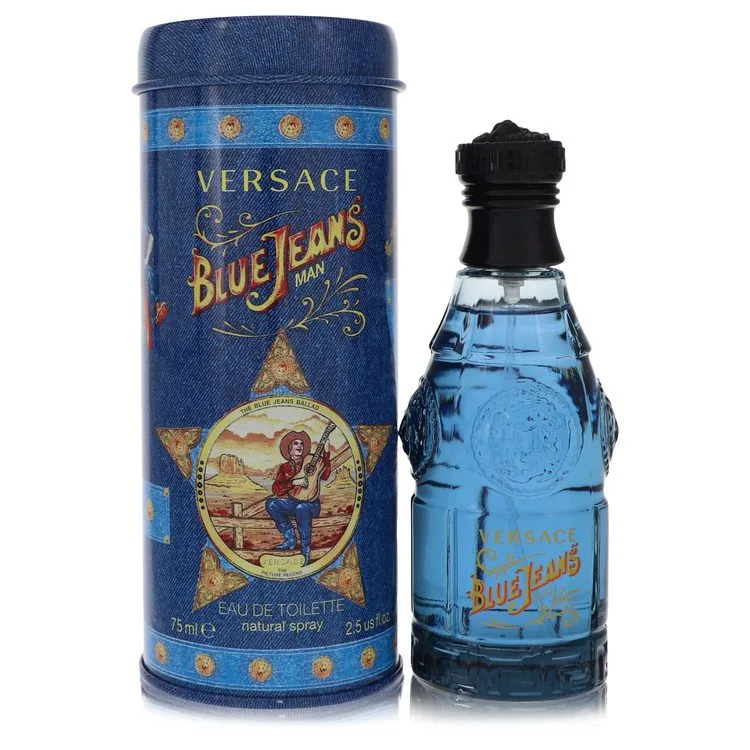
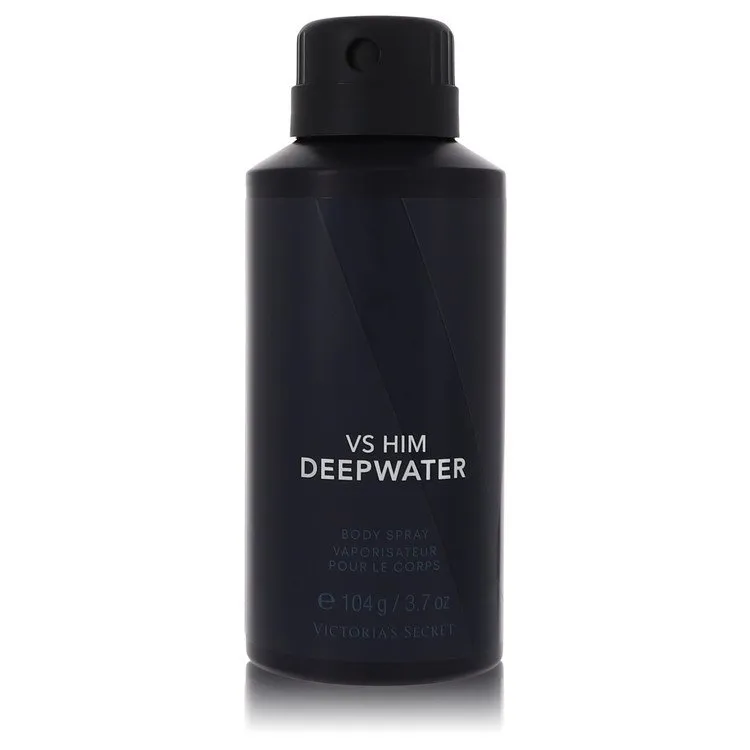
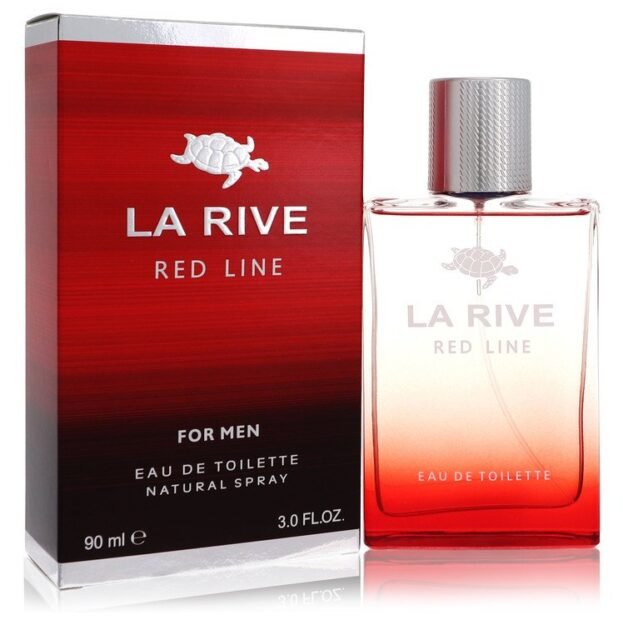
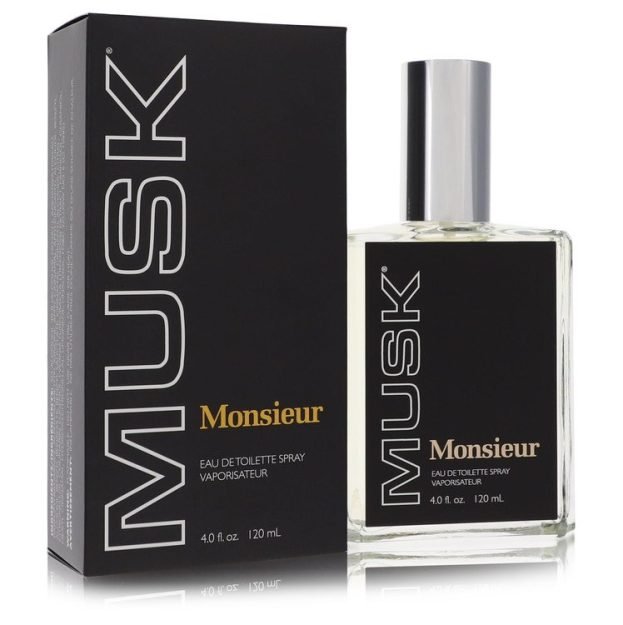




Babies are fragile, delicate and highly sensitive in terms of weight and body. That’s you why should not wear perfume around babies. Small infants or babies development or well-being could be impacted by anything that comes into contact with their small bodies or senses. Therefore, buying the right diapers, detergent and baby essential oils is the primary concern of the all the parents. Although the use of perfumes or scented products is also one of the most overlooked things when around infants or babies.
Adults may find perfume to be a daily essential. It is commonly associated with emotional comfort, self-assurance, and individual hygiene or presence. However, that same pleasing aroma can be the source of health issues for the babies. While preparing most perfumes, complex blend of chemical components are used. Hence, baby’s skin may experience irritation, certain types of allergies or their developing respiratory system may also be impacted.
Here in this blog we’ll explain you in detail why one should not wear perfume around babies. The possible risks, and safer alternatives for keeping oneself fresh and hygienic without causing any harm to your little one.
Here are the 8 Important Safety Guideline One Should Follow While Wearing Perfume Around The Babies
Following are the significant guidelines all parents and adults must consider while wearing perfumes around babies to keep them secure and healthy and make an secure, healthy space to grow them.
1. Understanding a Baby’s Sensitivity
As a baby is a new born child and they have sensitive skin, so they need a lot of care. Below are some points you need to keep in mind to take care of your babies health.
a) Fragile Respiratory System
A baby’s lungs and airways continue to develop for months after birth. Their bodies lack the means to filter out airborne particles and their passages are smaller. A baby can thus inhale much higher concentrations of the chemicals in strong fragrances or aerosol sprays than an adult can. Sometimes causing an irritation of the throat, nasal passages, or lungs. It also includes triggering coughing, sneezing, or shortness of breath in extreme cases.
b) Developing Immune System
Newborn babies have sensitive, developing immune systems that take some time to strengthen. Any external irritation, like the VOCs in scents, can strain the baby’s system. They may become more liable to respiratory infections or allergic responses as an outcome.
c) Extremely Sensitive Skin
The skin of a baby is more absorbent and thinner than that of an adult. It implies that any perfume residue on your hands, clothes or bedding can readily come into contact with their skin. Eczema, redness or irritation may result from it. Alcohol and other artificial chemicals that interfere with the skin’s natural barrier can be found in even mildly scented products.
2. The Hidden Chemicals in Perfumes
Perfumes are not made just of flowers and essential oils. Dozens of hundreds of chemicals, many of which are synthetic manufacturers. They are not required legally to list all the ingredients because fragrance formulas are considered trade secrets. However, studies have demonstrated that many perfumes include compounds like:
Phthalates: It is a group of man made chemicals which are mainly used to increase the durability and longevity. These also act like endocrine disruptors. They interfere with the normal balance of hormones.
Benzene derivatives: Many perfumes contain benzene derivatives which are known as irritants that can cause headaches or dizziness. It can occur among adults, and much more severely in babies.
Aldehydes: Synthetic substances called aldehydes give perfumes their vibrant sparkling and fresh appearance. These provide the initial burst in the smell of perfume, but It can cause skin and respiratory irritation.
Essential oils originated in natural and organic perfumes may not be appropriate for newborns. Among the oils that can cause breathing issues are clove eucalyptus and peppermint. Inhaling the scent of these oils can have negative health effects on infants younger than six months.
3. How Perfume Affects Babies
Perfumes can affect babies in a negative manner by occurring repository and skin problems.
a) Respiratory Issues
Respiratory distress is one of the most frequent effects of perfume exposure in infants. Babies breathe between 30 and 60 times per minute which is faster than that of adults. This shows that they rapidly absorb substances from the air. The perfume elements from sprays can easily be inhaled, stay in the air and settle on fabrics.
Babies who are delicate to fragrances may show the subsequent indications.
- Runny nose
- Sneezing
- Coughing
- Wheezing
- Noisy breathing
- Restlessness
- Fussiness
- Challenges with feeding caused by nasal blockage.
b) Skin Allergies and Irritation
Indirect contact with babies, perfumes can create and irritate the sensitive skin of the baby. If you wear perfume on your wrist, and hold your baby for hours, several things can happen like fragrance can transfer onto their clothes or skin. Over time, this may cause itching, dryness, rashes, or eczema. Other babies can also develop contact dermatitis due to the allergic reaction in the skin from chemicals.
c) Interference with Natural Bonding
Babies develop a great bond with their parents largely through their sense of smell. A baby can smell its mother’s particular smell just days after birth. It provides comfort, familiarity, and emotional security. Strong perfume masks a parents natural body odor which could confuse or unnerve the infant. Early bonding and feeding patterns particularly during breastfeeding may be slightly impacted by this.
d) Sleep Disturbances
A baby’s senses may be overstimulated by certain scents primarily those with strong floral and musky undertones. Babies sleep and eat for the majority of the day. Their sleep cycles may be disturbed and they may become fussy or irritable due to a stimulating or annoying odor.
4. The Problem with Scented Environments
The concern doesn’t stay with perfumes alone even best air fresheners, body ointments, deodorants and washing detergents are among the several aromatic products found in homes. Even though these odors might not seem strong to adults, a baby may find them to be intense.
Perfume can be present in fabrics like clothing curtains or bedding even if you don’t spray it close to the infant. Fragrance molecules can stay in indoor air for hours or even days according to research. For fresh breathable air a baby’s nursery should ideally be fragrance-free.
5. Common Misconceptions
Many people say that I only use a small amount of perfume, it can’t hurt the baby. A baby may not be able to handle even a small amount of perfume. Remember that their sense of smell is many times more acute than your own. They may find something overwhelming that smells good and pleasant to you.
Some say that natural perfumes are safe. Natural does not usually mean non-irritating. Some essential oils are safe for adults but are toxic or just too powerful for infants. For example, peppermint and camphor oils can cause breathing problems in newborns.
Several people also say that if I spray perfume away from the baby, it won’t hurt the baby. Droplets of perfume have the ability to travel and hover in atmosphere. Your baby may still breathe in or come into contact with scent droplets on your skin, hair or clothing while you are holding them.
6. Safe Alternatives for Parents and Caregivers
Babies have delicate skin and respiratory systems, due to this you should avoid wearing perfume around them. You have to maintain proper hygiene and freshness near your baby. There are various baby-friendly alternative fragrances that can be used. For sensitive skin you can search for formulations that are gentle and fragrance-free. These consist of shampoos, lotions, soaps and deodorants.
You can use natural freshness alternatives. It contains natural deodorants or baking soda to reduce body odor. Fragrance-free detergents help maintain the freshness of your clothing. You should drink plenty of water and practice good hygiene. Thus you won’t need a strong perfume, with this practice you may smell nice with perfume spray.
You might think about using refined organic scents like lavender, chamomile or vanilla, if you enjoy a specific scent. These perfumes should only be used on yourself. Never put them close to the newborns. When using essential oils or fragrances near infants always get instruction from your paediatrician.
7. Tips for Making a Fragrance-Free Baby Environment
- You should avoid using body mist perfume or cologne near your newborn.
- You should wash new clothes and blankets before use to get rid of that new, factory smell of detergent.
- You should use fragrance free cleaning products and baby detergents.
- Don’t use air fresheners, scented candles and keep the baby’s room’s environment with fresh air.
- Before holding the infant you should request that guests refrain from wearing strong perfumes and lotions with strong scents.
8. When to Seek Medical Guidance
The baby shows several signs of perfume uneasiness when someone wears perfume near them. Rashes, sneezing, watery eyes or breathing difficulties are examples of it. Your paediatrician should be checked instantly. This may be the consequence of an underlying health illness or a fragrance sensitivity.
Conclusion
Perfumes are considered to be a symbol of elegance, and expression of personality. However, you should avoid wearing the scent around the babies due to their health concerns. As parts of the baby are tender and different body parts like lungs, skin, and immune system have not fully developed. Their body parts can not manage the complex compounds of these fragrances. Any small exposure from the perfume can cause allergy, discomfort, and respiratory disease. Your baby needs love, warmth and presence as compared to fragrances.


